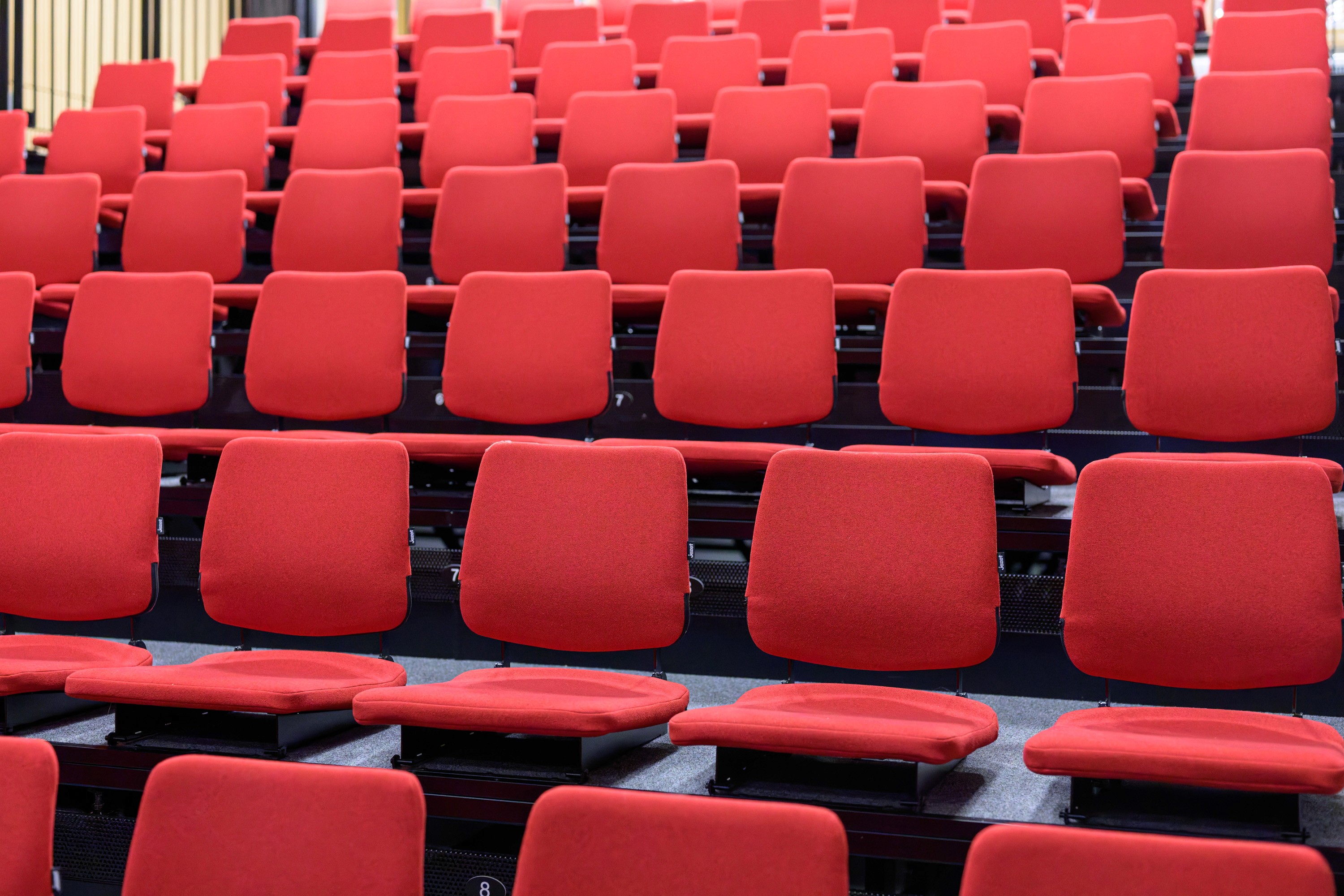
Networking moment 2: Infrastructure
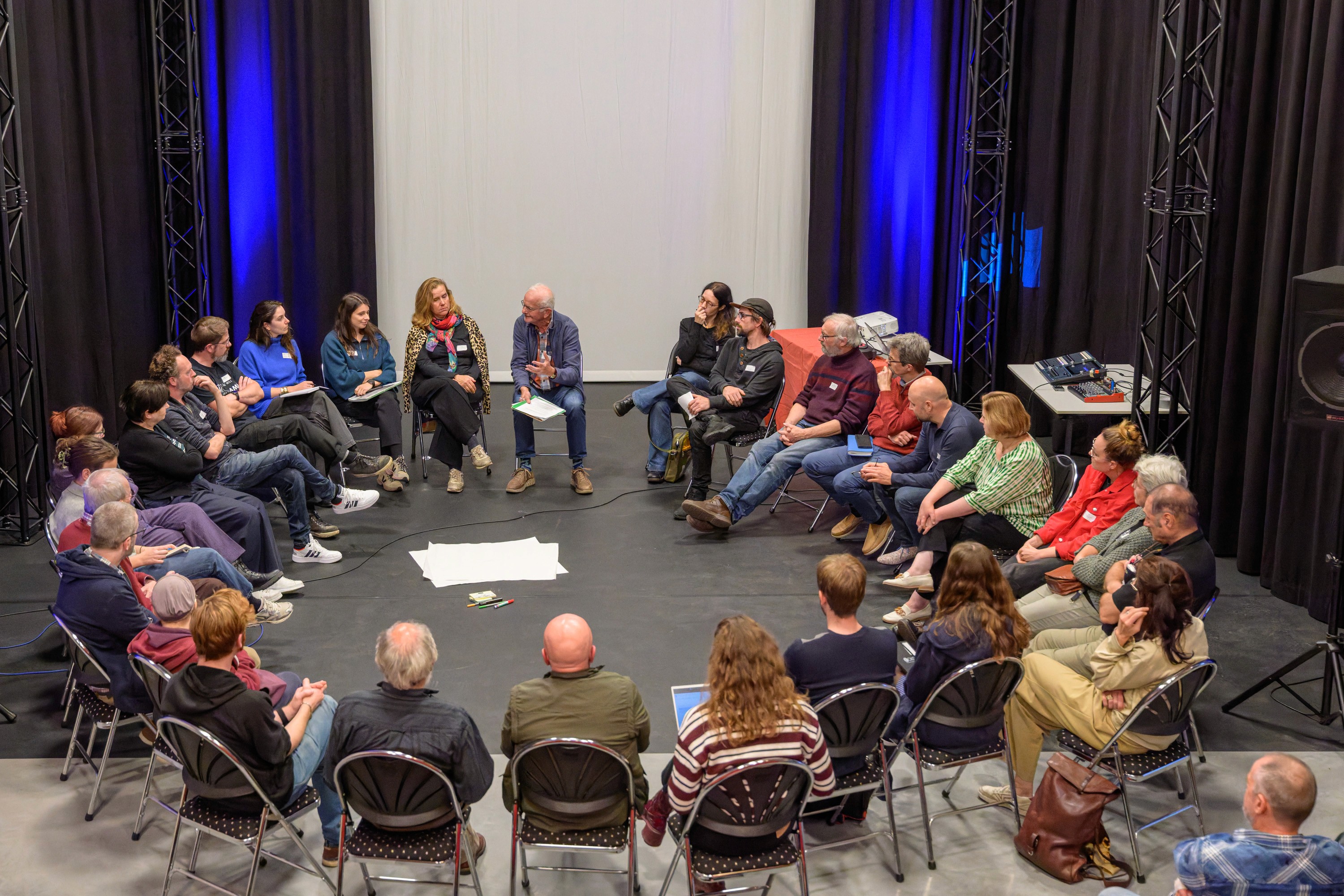
On Tuesday, October 7, the Culture Network Leuven came together in Our House (Theater 4). A moment completely focused on space. The lack of physical space has become evident in Leuven, but can we also look for solutions in other ways? Do you always have to wait for a decision from the city as an initiative? Can we start something ourselves – sustainable, supported, and grassroots? The evening revolved around taking space, creating space, and sharing space.
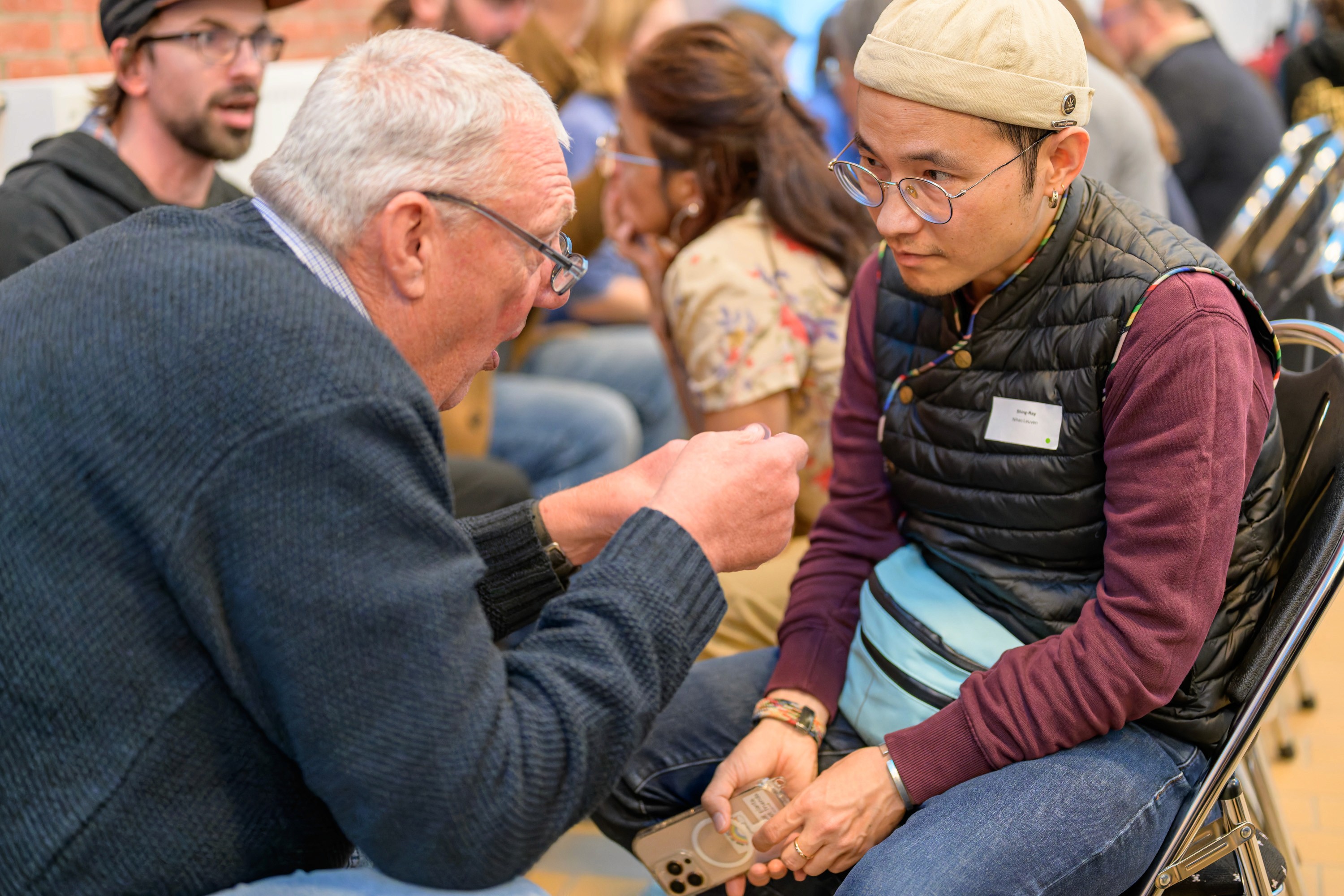
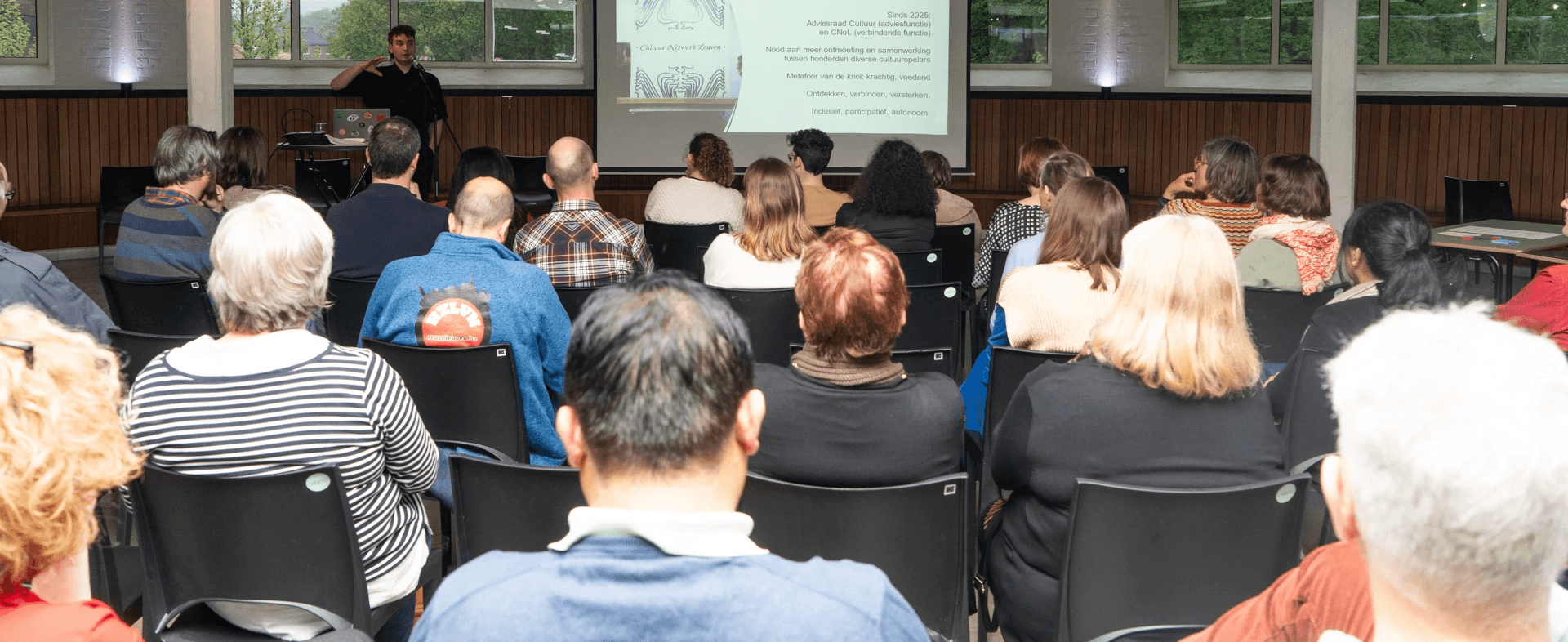
The evening began with a walking dinner (thanks to Food Factory!), after which we sought to connect the cultural actors through a speed dating session. The latest updates on LOV2030, Open Creatives, and the Advisory Council on Culture were shared during the plenary moment. Finally, we split into working groups to brainstorm together on common challenges within infrastructure and the plans of LOV2030.
Infrastructure
1. Challenges
Participants confirm the structural shortage of suitable and affordable spaces for cultural organizations in Leuven. Both professional and amateur associations struggle with a lack of rehearsal, exhibition, and storage space. Many organizations rely on occasional rentals or temporary locations and encounter the limitations of urban infrastructure and slow procedures at the city government. At the same time, there are shared spaces within schools, religious buildings, and organizations such as maker spaces, but these require constant coordination, management, and clear agreements.
2. Needs and opportunities
There is potential in shared space usage and intersectoral collaboration, provided that communication and trust are well organized. It is advocated for a central database or platform that makes the demand and supply of spaces visible, and where matches between organizations can be made efficiently. Smaller players particularly need affordable, accessible spaces and less administrative burden. Additionally, it is emphasized that collaboration can also be sought outside the city – for example through schools, churches, community halls, or vacant buildings – provided there is good practical organization and agreements on maintenance and use.
3. Recommendations
There is a need for someone to take an active coordinating role in mapping, unlocking, and mediating available infrastructure. The Culture Network Leuven examines how it can contribute to putting Open Creatives more on the map. There is also the idea for inter-municipal collaboration and more experimental space for temporary or repurposed sites, so that Leuven can develop a sustainable and flexible infrastructure network that benefits the broad cultural sector.
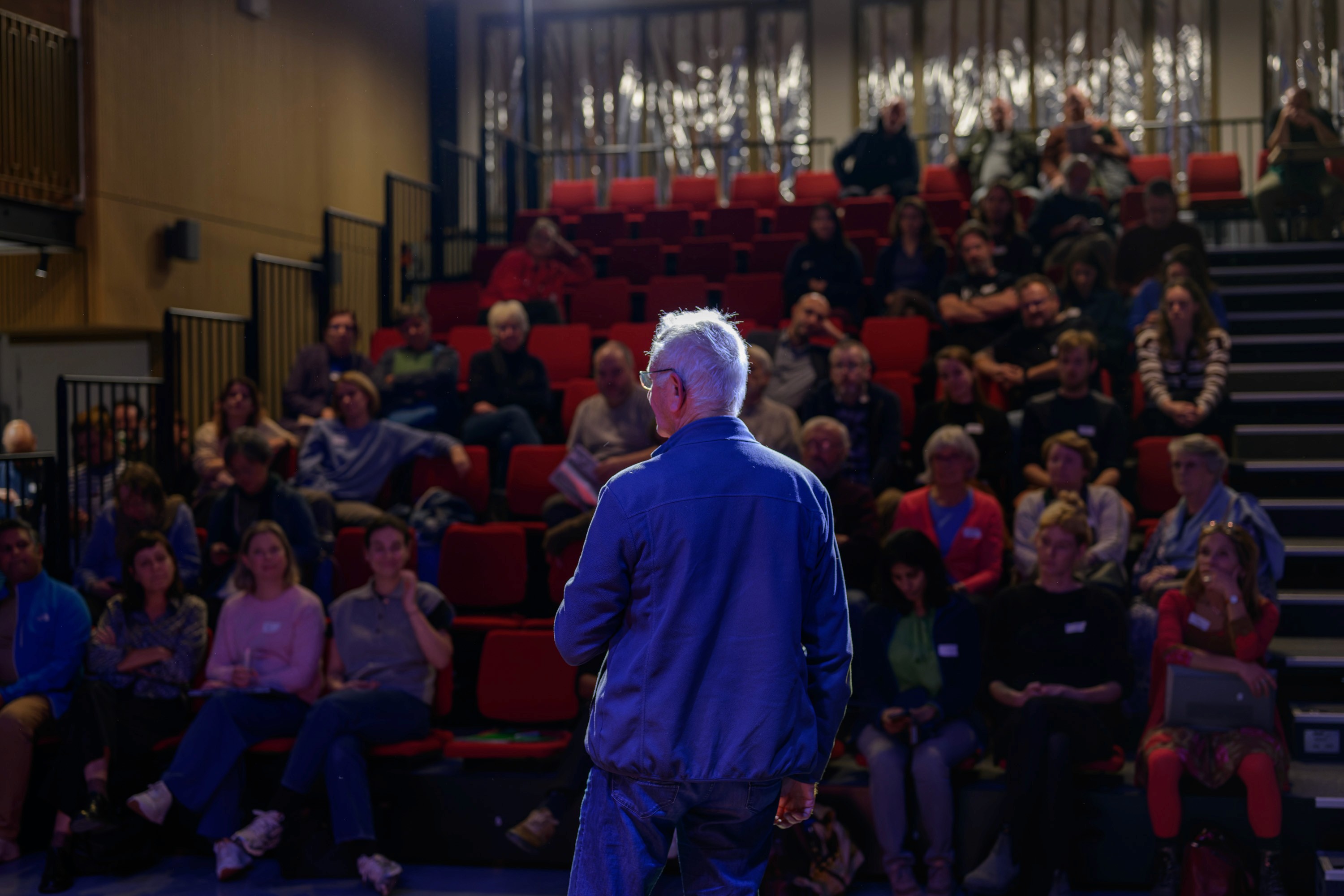
LOV2030
1. Towards an inclusive and accessible approach to LOV2030
The consultation confirms that the realization of LOV as European Capital of Culture in 2030 requires an inclusive, open, and phased approach. The organizations primarily want clarity on how and when open calls will be organized, with allowance for different working tempos of artists, associations, and institutions. A low-threshold open call, where ideas can be submitted in an early stage and where matchmaking is central, is strongly recommended. This approach allows for connections between small and large players to be stimulated, without the process being too top-down.
2. Connection, distribution, and inclusion as core principles
There is an emphasis that LOV2030 must be more than an urban project — it must become a shared movement where neighborhoods, surrounding municipalities, and diverse communities participate. Projects must be accessible, ranging from grand events to small, meaningful actions (such as neighborhood initiatives or dance projects in care institutions). Moreover, the importance of accessibility and diversity is strongly highlighted: LOV2030 must actively involve vulnerable groups, youth, children, and students, and focus on culture as a means against loneliness and social exclusion. The cultural sector can act as an ambassador and caretaker, with initiatives that literally and figuratively lower barriers.
3. Recommendations
There is a need for a clear framework and central communication point where organizations can turn for information, planning, and partnerships. In policy terms, it is important to institutionalize matchmaking — via Culture Network Leuven or an LOV platform that makes projects, calls, and collaborations visible. The City of Leuven and the LOV team are encouraged to establish structural partnerships with European, cultural, and educational institutions, and to proactively work on infrastructure, mobility, and affordable living spaces. Finally, it is advised to use LOV2030 as a long-term engine for collaboration, sustainability, and international visibility — with projects that do not only peak in 2030 but leave a lasting legacy for Leuven and its region.
Read the full reports via the buttons or on our Drive.
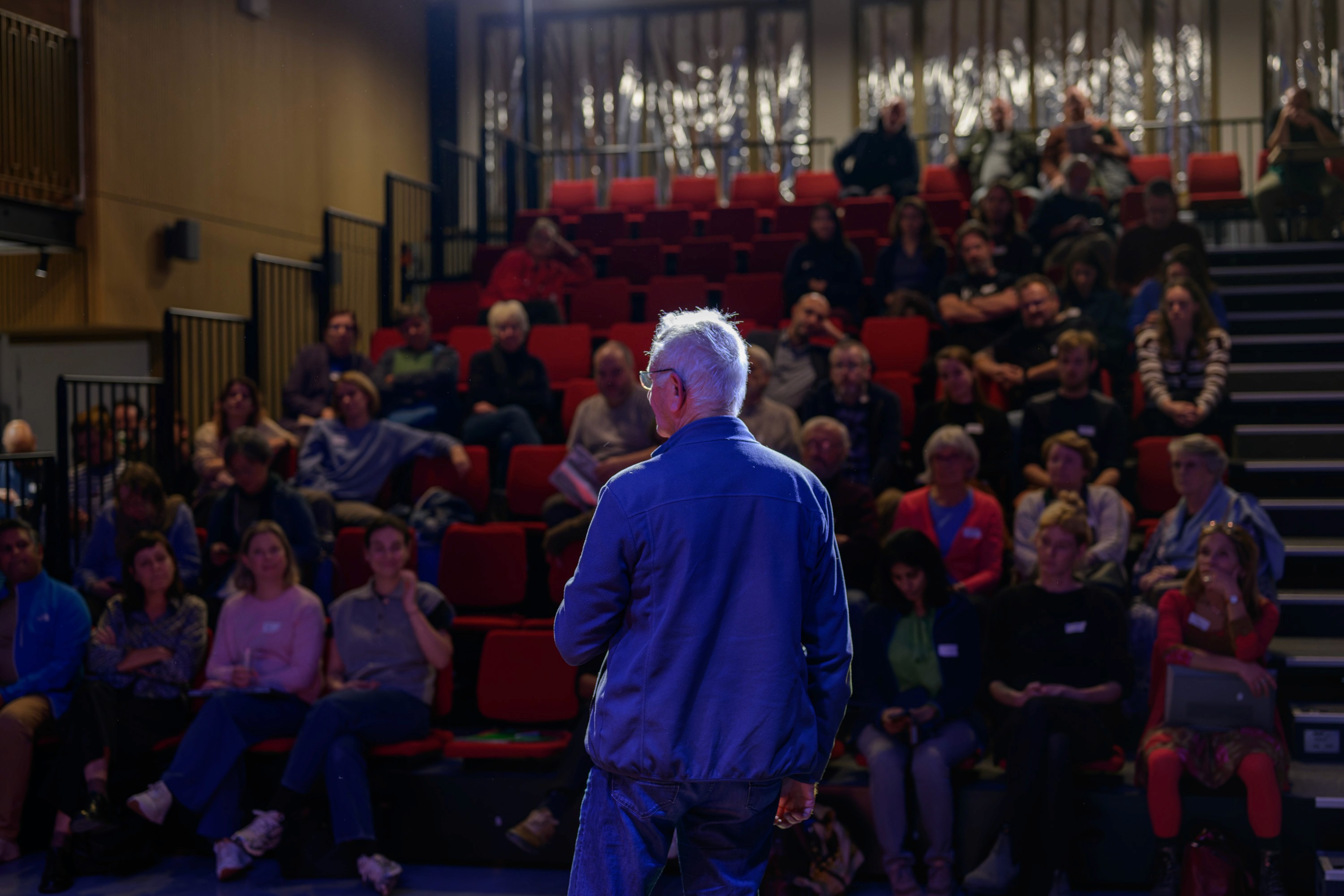
LOV2030
1. Towards a supported and accessible approach to LOV2030
The meeting confirms that the realization of LOV as the European Capital of Culture in 2030 requires an inclusive, open, and phased approach. Organizations primarily want clarity on how and when open calls will be organized, allowing for different working tempos of artists, associations, and institutions. An accessible open call, where ideas can be submitted at an early stage and where matchmaking is central, is strongly recommended. This approach allows for the stimulation of connections between small and large players, without the process being too top-down. LOV2030 must support organizations, not replace them, and focus on facilitating, connecting, and experimenting with seed funding.
2. Connection, distribution, and inclusion as core principles
There is an emphasis that LOV2030 must be more than an urban project — it must become a shared movement in which neighborhoods, surrounding municipalities, and diverse communities participate. Projects must be accessible, from grand events to small, meaningful actions (such as neighborhood initiatives or dance projects in care institutions). Furthermore, the importance of accessibility and diversity comes to the forefront: LOV2030 must actively involve vulnerable groups, youth, children, and students, and focus on culture as a tool against loneliness and social exclusion. The cultural sector can act as an ambassador and caregiver, with initiatives that literally and figuratively lower the threshold.
3. Recommendations
There is a need for a clear framework and central communication point where organizations can go for information, planning, and partnerships. From a policy perspective, it is important to institutionalize matchmaking — through CultuurNetwerk Leuven or a LOV platform that makes projects, calls, and collaborations visible. The City of Leuven and the LOV team are encouraged to enter into structural partnerships with European, cultural, and educational institutions, and to work proactively on infrastructure, mobility, and affordable accommodation spaces. Finally, it is advised to use LOV2030 as a long-term engine for collaboration, sustainability, and international visibility — with projects that not only peak in 2030 but leave a lasting legacy for Leuven and its region.
Read the full reports via the buttons or on our Drive.